Nowadays, linkbuilding has changed due to AI. Every webmaster wants AI search engines to identify and show their sites in their search results. People want brand mentions in listicle blogs so that AI can recognize them. They love “Top 10,” “Tools for,” and “Top Alternatives to…” like posts and getting featured in these, so they can increase their AI visibility.
There are tools for linkbuilders, like Ahrefs, for getting metrics like DR, organic traffic, etc. Moreover, it can also help identify listicles for your linkbuilding.
In this step-by-step guide, you’ll learn to find listicle posts using ChatGPT and how they are helpful in 2026.
What is Listicle linkbuilding?
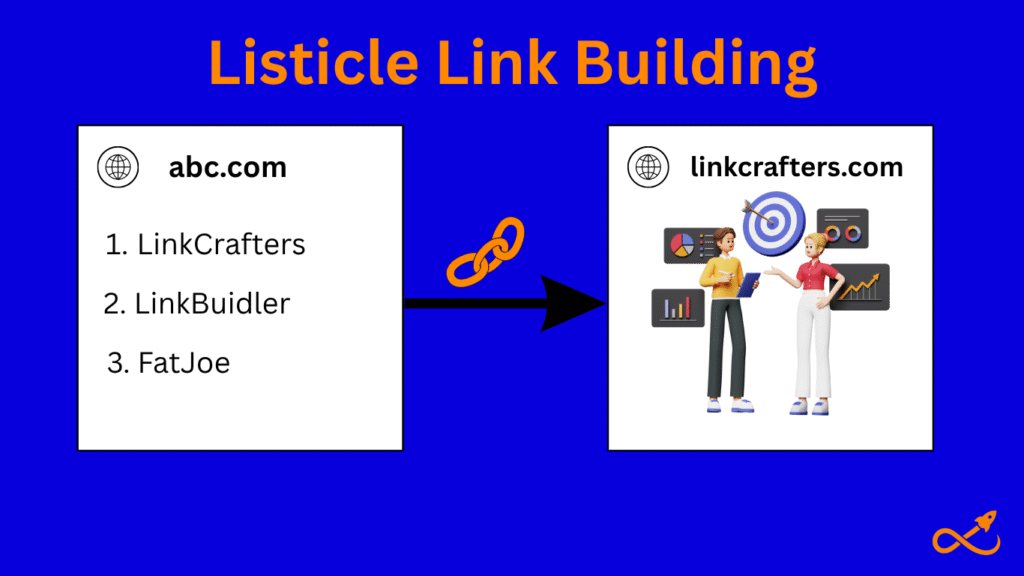
Listicle link building is a tactic where you find list-style articles that include brands, tools, software numbered as 1,2,3, and so on. You pitch to that specific website to be added.
Such as you are a linkbuilding agency, you’d want to get a branded mention in posts like “Top 10 linkbuilding agencies in 2025,” “5 Best linkbuilding services,” etc.
How to use ChatGPT to find listicles?
Step 1: Brainstorm listicle angles with ChatGPT
Goal: generate seed topics and angle variations that match your product/service/audience.
Example prompt (paste to ChatGPT):
I'm looking for listicle ideas where my product [short description: e.g., "a lightweight project management app for freelancers"] could be included. Give 20 listicle titles and 3 short pitch angles each (why my product fits) aimed at tech blogs, freelancer blogs, and startup newsletters.What you get: 20 specific listicle title ideas + 3 tailored pitches per title. Save the most relevant 10–15.
Step 2: Convert ideas into search queries
ChatGPT helps craft high-precision search strings (Google/Bing) and site-restricted queries to find listicles.
Example prompt:
Turn these titles into Google search operators to find existing listicles and roundup posts. Include site: examples (site:medium.com, site:forbes.com, site:blog.example.com), keywords, and boolean combinations.Sample search operator outputs ChatGPT can give:
"best project management apps" intitle:best OR "top" -job -careerssite:medium.com "best * apps" "project management" "freelancer""best tools for freelancers" "2025" "top"
Use variations: intitle:, inurl:list, site:, filetype:html, and exclude words like -jobs -career -hiring.
Step 3: Bulk-search and scrape candidates
Options:
- Quick manual: run the generated searches, open promising pages, and add to a spreadsheet.
- Semi-automated: use a SERP scraping tool (Ahrefs, SEMrush, Screaming Frog, or a lightweight Python script) with your search strings to collect candidate URLs.
Minimum columns for your spreadsheet:
- URL | Publication | Title | Date | Author | Link type (nofollow/dofollow) | Contact (email/Twitter) | Notes (tone, includes competitor links)
Step 4: Qualify listicles
Not every list has good value. Use ChatGPT to build a quick qualification checklist and apply it.
Example qualification prompt:
Given a listicle URL, create a checklist (yes/no) to decide whether it's worth outreach. Include metrics and quick checks that can be done in <2 minutes.Suggested checklist items:
- Publication domain authority/traffic estimate (high/med/low).
- Recency (published within the last 24 months).
- Number of outbound links (is it truly a list?)
- Link type (are links dofollow?)
- Relevance to your niche or audience.
- Contact info present (author email, Twitter, contact page).
- Inclusion policy (does the site accept submissions or updates?).
- Tone and editorial quality (spammy vs. editorial).
Use ChatGPT to auto-evaluate by pasting the title/meta description and asking for a quick relevance score (0–10) with reasons.
Step 5: Prepare your pitch (personalized)
ChatGPT can draft outreach templates, but never send generic copy. Always personalize with the page name, author, and one specific sentence about the article.
Email template prompt example:
Write a short outreach email (3 paragraphs) to the author of [listicle title] asking to consider including my product [one-line product description]. Include a brief personalization referencing 1-2 specifics from their list. End with a polite closing and a non-pushy CTA.Example outreach email (short):
Hi [Name],
Loved your recent “Top 15 tools for freelancers”, especially the shoutout to [example tool].
I wanted to suggest one more lightweight option, [Product]. It helps freelancers track project time without the overhead and is used by X freelancers. If you’re open to adding one more practical option, happy to send a short blurb and screenshot.
Thanks for your time.
Best,
[You]
Include a ready-to-paste blurb (50–80 words), 1–2 screenshots, and a short bullet of features/USP.
Step 6: Follow-up sequence
Use ChatGPT to create a gentle 2–3 email follow-up cadence spaced 4–7 days apart. Keep follow-ups brief, useful, and include fresh value (new customer quote, updated screenshot, data point).
Step 7: Track & measure
Key metrics:
- Outreach sent / replies / positive replies (rate).
- Mentions acquired (count).
- Link types: dofollow vs nofollow.
- Referral traffic from each listicle.
- SEO impact: keyword rank changes and organic traffic lift over 30/90/180 days.
Use spreadsheets or a lightweight CRM (Airtable/Sheets + mail merge) and UTM-tag your demo/landing links to measure referral traffic precisely.
Prompts: copy/paste into ChatGPT
- Brainstorming
List 25 listicle titles where [PRODUCT] could be included. Audience: [audience]. Include 1-sentence pitch for each.- Search strings
Create 20 Google search operators to find listicles about [topic], and include sites to prioritize (e.g., tech blogs, medium, niche sites).- Outreach
Write a personalized outreach email for [author] referencing [article sentence], include a 50-word blurb and 2 bullets of why this product fits.- Qualification
Given this article meta/title/snippet, rate relevance 0-10 and explain why.
Best practices & ethics
- If a site uses nofollow, it can still bring traffic and awareness; don’t dismiss these entirely.
- Don’t spam editors. Quality beats volume.
- Be transparent; if the product is your own, disclose it when appropriate.
- Respect site guidelines: some sites won’t edit evergreen posts; offer a guest updated line or a comment suggesting the inclusion.
Final Thoughts
Finding listicles for link building doesn’t have to be slow or complicated. With ChatGPT, you can create listicle ideas, find real ranking list posts, qualify the best ones, and send personalized outreach in minutes instead of hours.
When done right, listicle link building becomes one of the fastest ways to increase brand visibility, authority, and AI discoverability.
If you want done-for-you listicle link building with real outreach, real placements, and results that actually move your rankings, reach out to LinkCrafters.
We help brands secure high-quality mentions in relevant listicles that bring traffic, trust, and long-term SEO value.
Book a call today, and let’s grow your visibility.